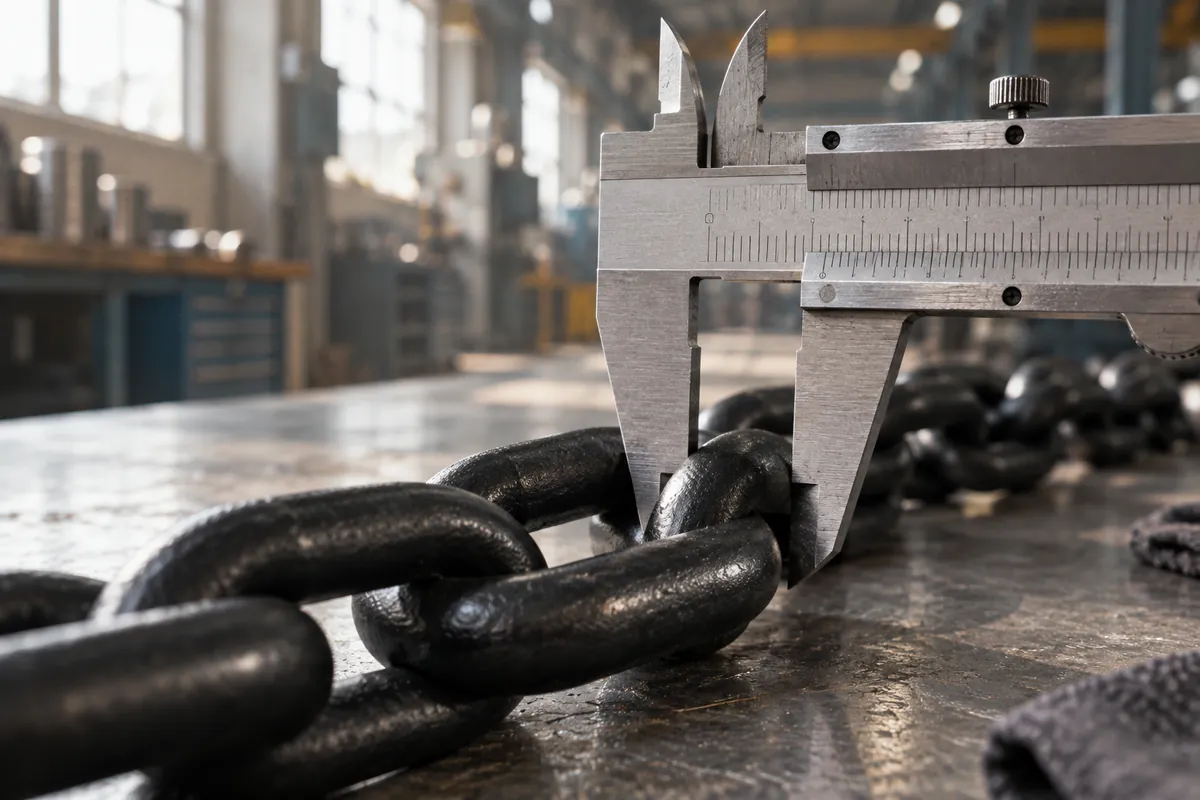
01
Dimensions
On the line, with the approved sample beside the calliper.
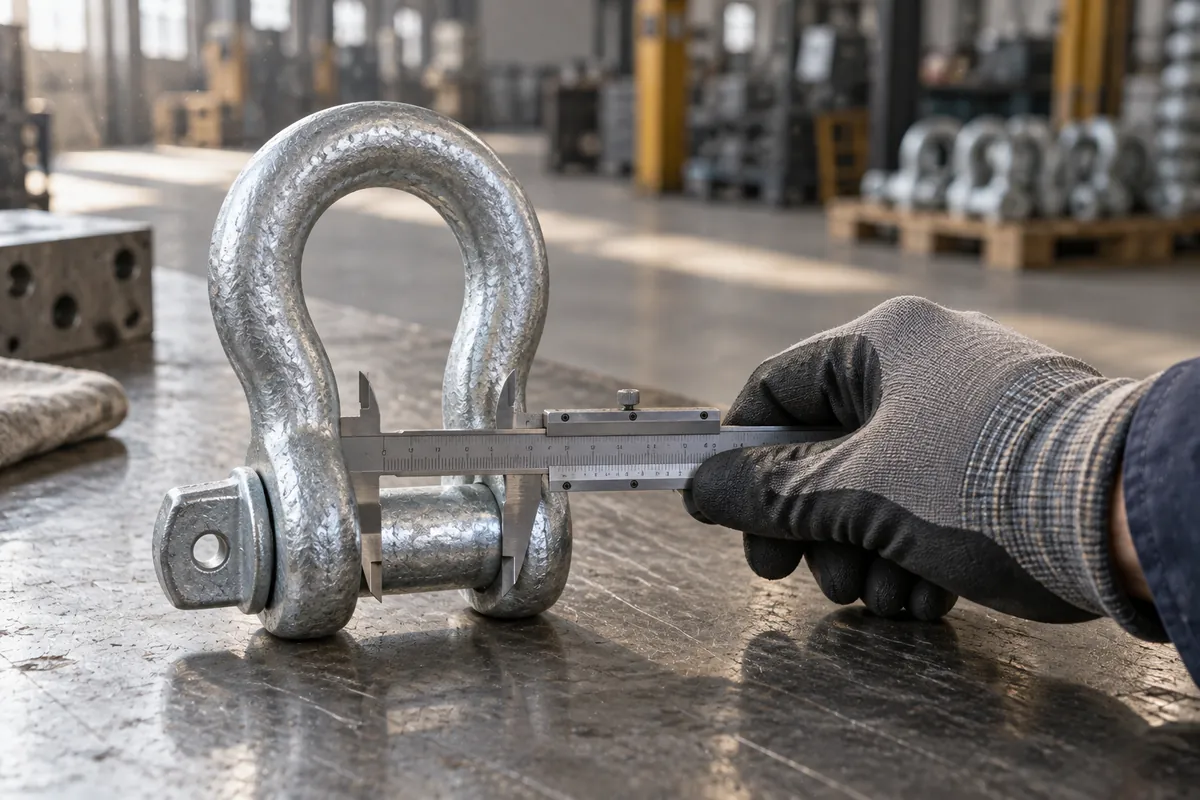
Load-rated hardware fails in one direction only. The checks are about measurement and traceability.
5checks on every lot
Diameter, length, thread, jaw opening and pin size measured with calliper against the approved sample.
Working load limit, size and grade legible on the body. A shackle without a readable mark cannot be used on site.
Galvanizing coverage and thickness, absence of cracks at the forging line, and no bare steel on a part specified as coated.
Piece count against the packing list, drum and coil condition, and pallets strapped for a sea voyage.
Mill test certificate of the lot, material certificate where the standard asks for one, and photographs of the goods as loaded.
Breaking load is what the item fails at in a test. Working load limit is what the standard lets you hang from it in service, and the design factor between them changes by product.
3:1 – 7:1design factor, by product
| Product | Usual design factor | Reference |
|---|---|---|
| Steel wire rope for general lifting | 5 : 1 | EN 12385-4 / ISO 2408 (ref.) |
| Grade 80 and 100 alloy chain sling | 4 : 1 | EN 818-4 (ref.) |
| Polyester flat and round sling | 7 : 1 | EN 1492-1 / EN 1492-2 (ref.) |
| Forged shackle, US type | 6 : 1 | US Federal Spec. RR-C-271 (ref.) |
| Transport chain, grade 70 | 3 : 1 | NACM (ref.) |
Lashing is not lifting: a grade 70 chain is rated for tie-down and must never be used overhead. Each product page publishes the figure the standard uses for that reference.
We sell the new piece. Why the old one comes out is what your customer asks at the counter.
Broken wires counted over one lay length, a flattened or birdcaged section, corrosion pitting, or a diameter reduced past the limit the standard sets for that construction.
Link elongation beyond the allowance, nicks or gouges at the weld, a link that no longer moves freely, or heat damage that changed the colour of the coating.
A pin that will not seat, a spread or bent bow, a thread that binds, or a body where the size and grade can no longer be read.
Cuts across the fibres, melted or glazed areas from friction, staining from oils or solvents, or a missing label. A sling without a legible label has no rated capacity.
Every check belongs to a place in the plant and to a moment in the run. Once the container is sealed, none of them can be done again.
On the line, with the approved sample beside the calliper.
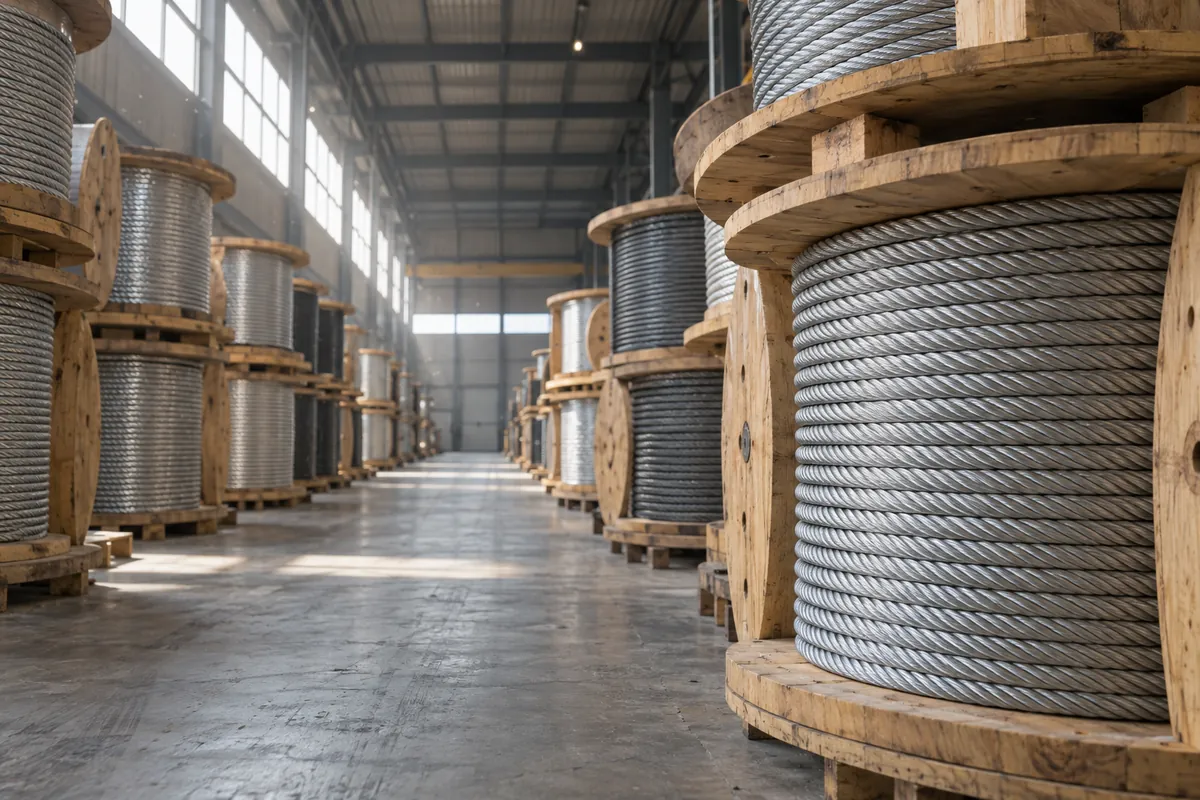
On the plant floor, before the part moves to packing.
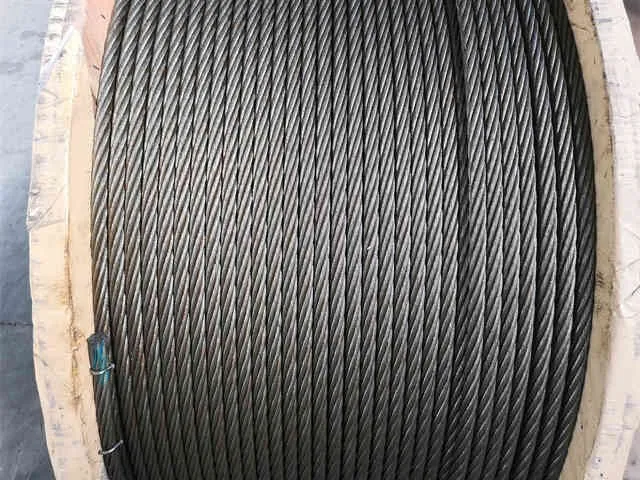
At the exit of the galvanizing bath, on parts from the same run.
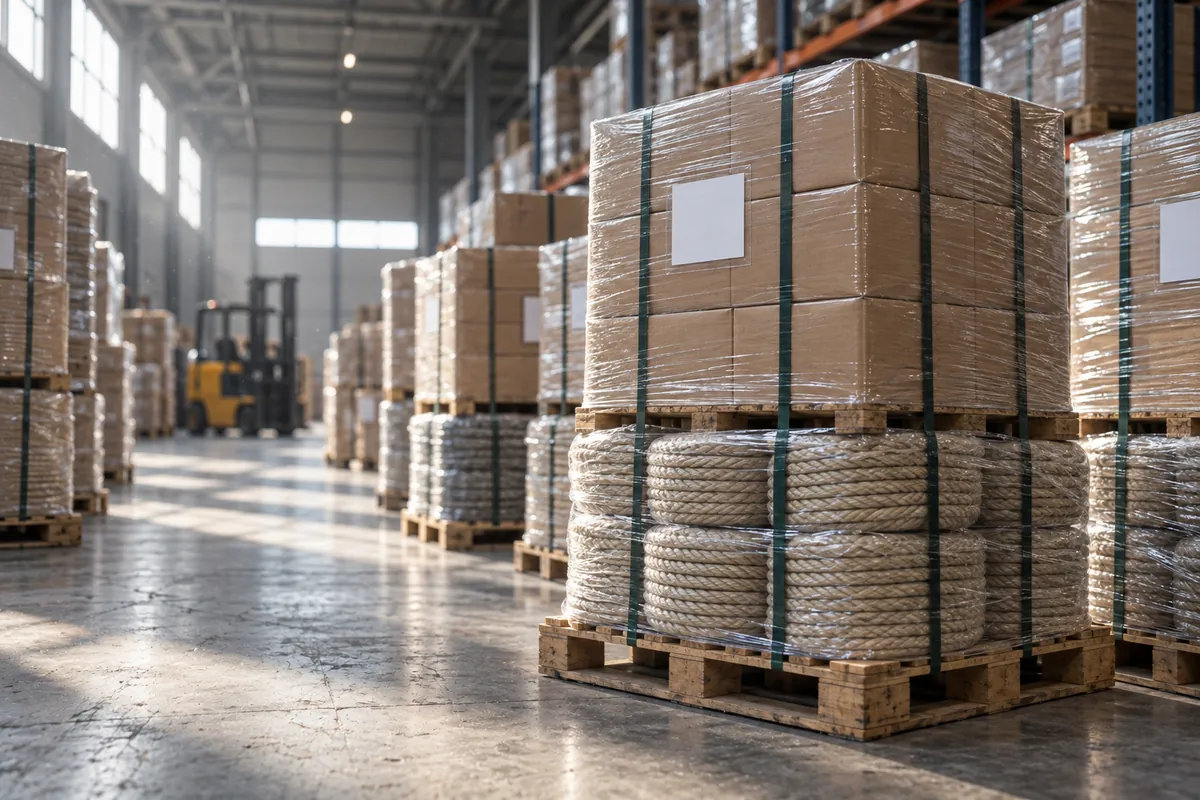
In the warehouse, with the pallets built and still open.

At the container door, with the goods still in sight.
A certificate is only useful if it can be tied to the goods in front of you. These are the fields to check, in the order they matter.
Mill test certificate6 fields to read
It has to match the number stamped or tagged on the goods. If it does not, the certificate belongs to another production run.
Diameter, construction, grade and finish, written the same way as in the order. A certificate for 6x19 does not cover a 6x36 delivery.
The value the sample actually reached, not the catalogue minimum. It should sit above the minimum breaking load the standard requires.
The test method. It is what lets a third party repeat the measurement.
Alloy chain and high-grade fittings report it. Plain carbon consumables usually do not, and that is normal.
It carries the date and the signature of the plant that made the lot. A certificate issued by a trading company is a transcription, not a test.
The reference standards the catalogue uses to describe a product. The standard sets the specification; the mill certificate reports what your lot measured.
10standards quoted
| Standard | What it covers |
|---|---|
| EN 12385-4 / ISO 2408 / ASTM A1023 | Steel wire rope for general lifting |
| EN 818-2 / ASTM A391 | Grade 80 alloy chain |
| EN 818-4 | Chain slings |
| EN 1492-1 / EN 1492-2 | Webbing and round slings |
| EN 13411 / ASME B30.9 | Rope terminations and sling capacities |
| US Federal Spec. RR-C-271 / FF-T-791 | US type shackles and turnbuckles |
| DIN 741 / DIN 1480 / BS 464 | European and British pattern fittings |
| EN 81-20 / EN 81-50 | Elevator safety components |
| ISO 1346 / ISO 1140 / EN 697 | Polypropylene, polyamide and blended fiber rope |
| EN 166 / EN 397 / EN 388 | Eye, head and hand protection |
Reference standards describe the product. We do not claim certification marks that the plant has not issued for your lot.
Reference, size, quantity and destination port. A quotation comes back with the unit price, the minimum per line, the Incoterm and the lead time.