0113 references
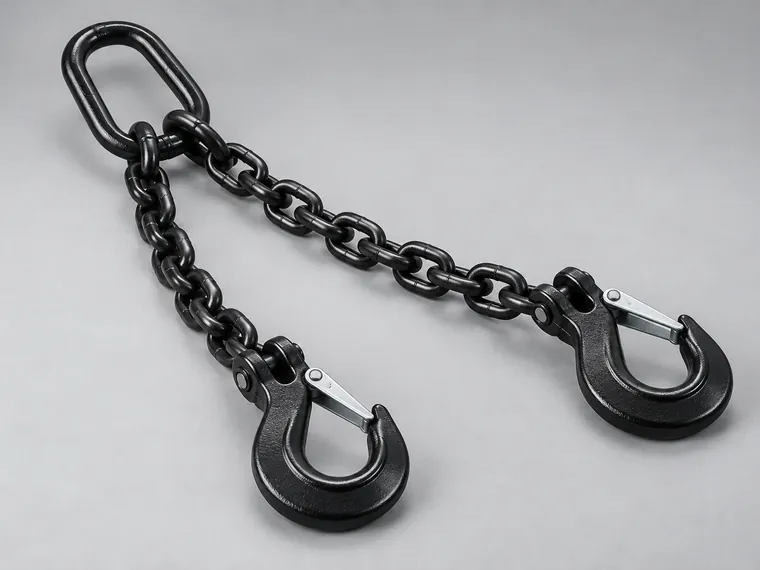
Construction and infrastructure
Rope for tower cranes and hoists, grade 80 chain slings, shackles and turnbuckles, plus the hand tools, discs and protective equipment a site consumes every month.
What moves most
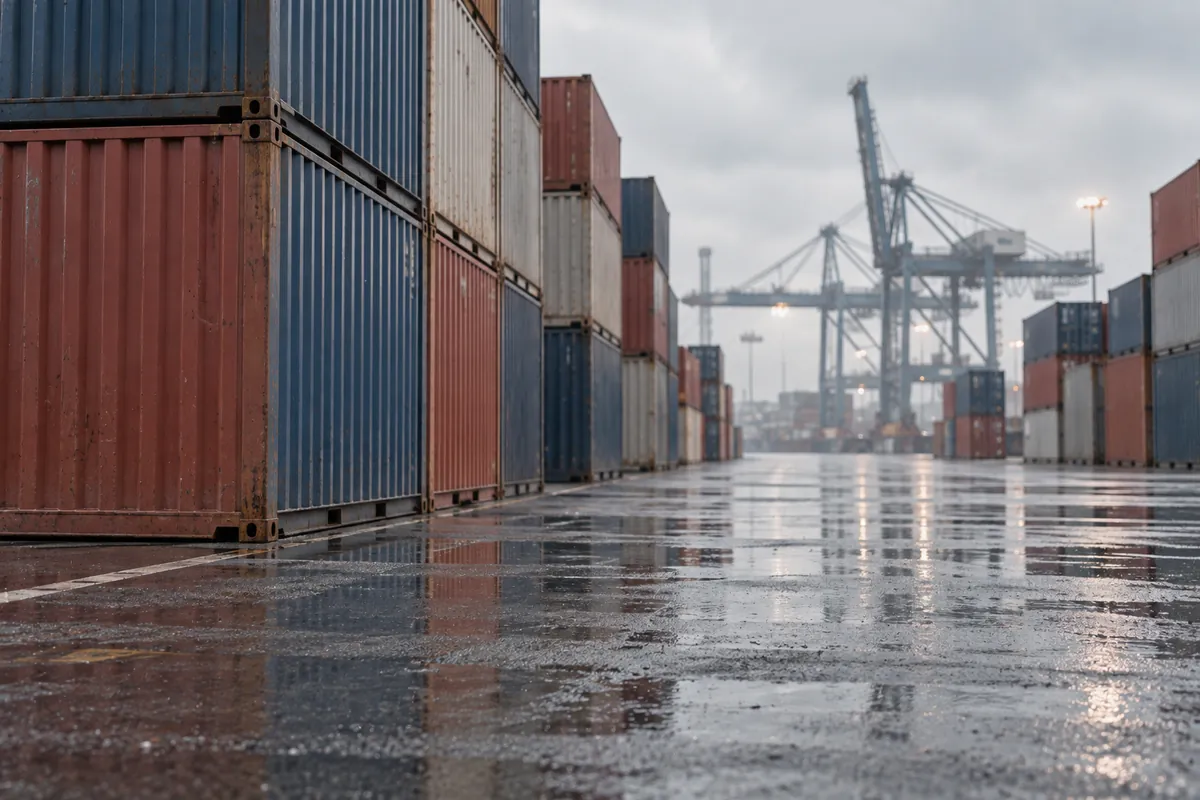
A distributor rarely buys a whole family. It buys what a customer asked for that week.
18groups across the six sectors
0113 references
Rope for tower cranes and hoists, grade 80 chain slings, shackles and turnbuckles, plus the hand tools, discs and protective equipment a site consumes every month.
What moves most
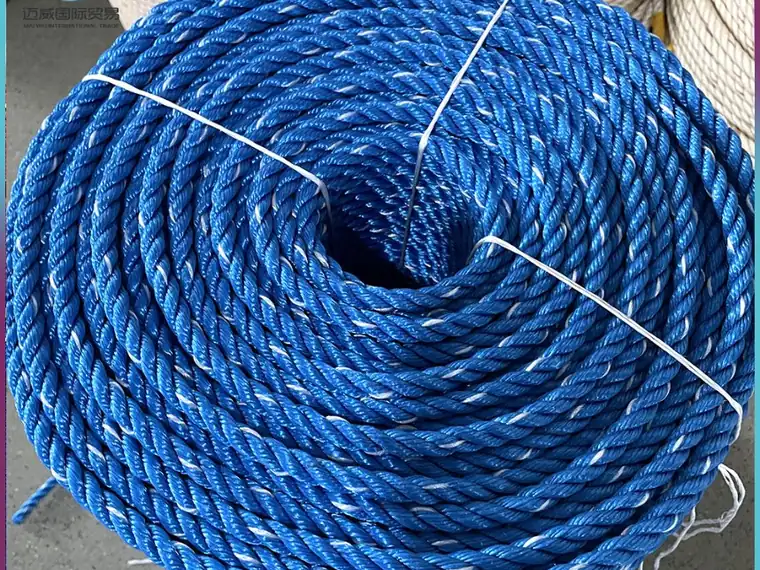
0213 references
Galvanized rope, stainless fittings that survive salt, polysteel and nylon mooring rope, and the plate clamps and snatch blocks used on a quay.
What moves most
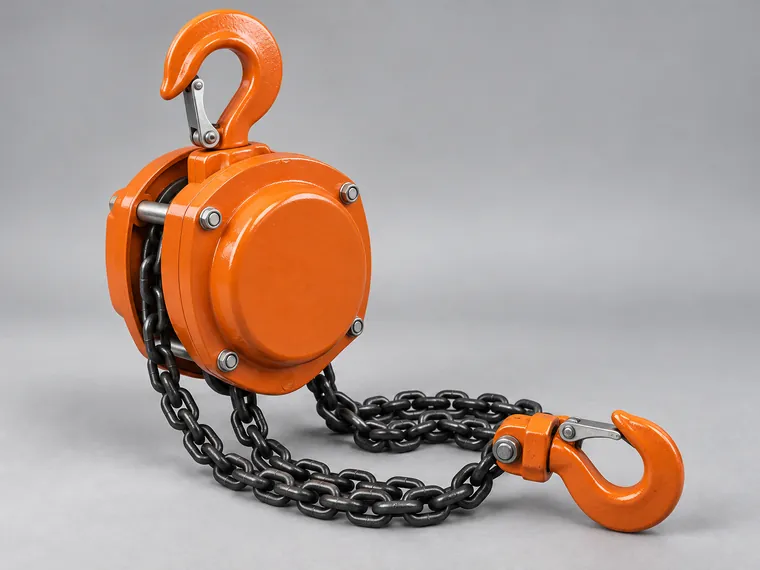
0327 references
Chain blocks and lever hoists on the shop floor, beam trolleys, eye bolts and swivel lifting points, and the socket, wrench and plier sets a maintenance crew replaces constantly.
What moves most

0424 references
Traction rope and terminations, guide shoes and liners, buffers, governors and safety gears, controllers and position indicators for modernisation work.
What moves most
0512 references
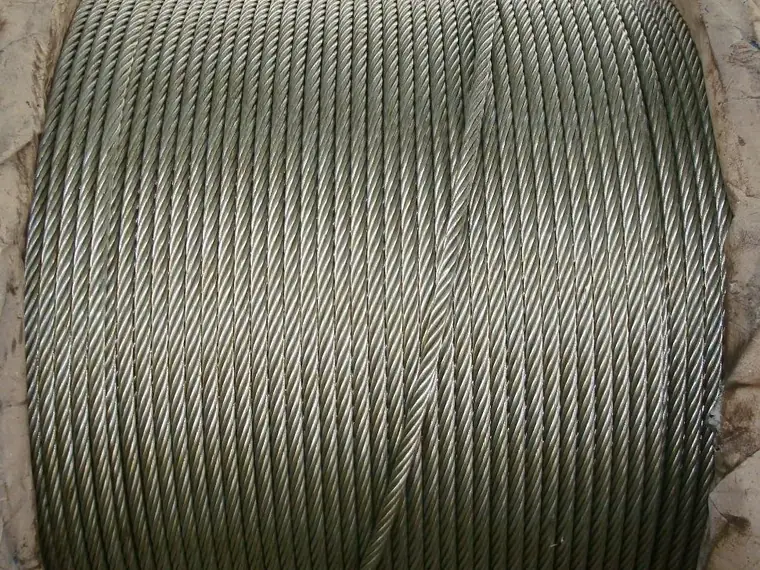
Heavy 6x36 and rotation-resistant rope, grade 100 chain, large shackles and master links, and the abrasives and protective equipment that wear out fastest underground.
What moves most
0619 references
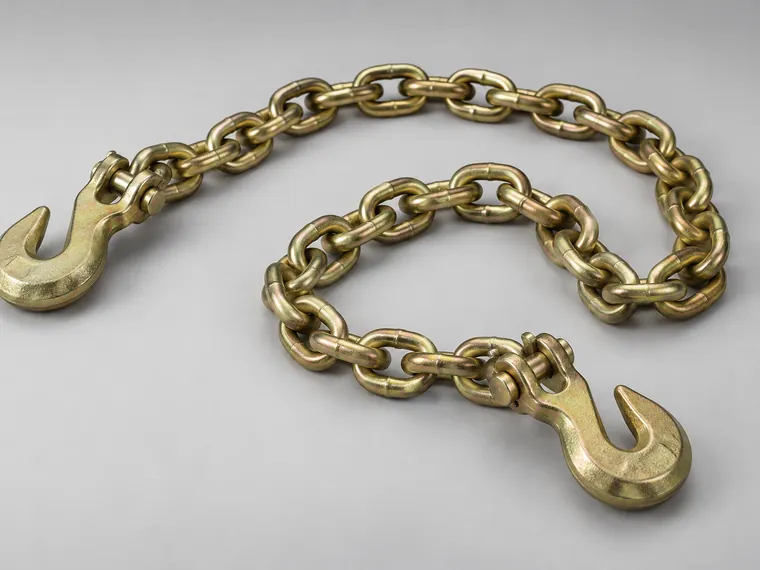
Grade 70 transport chain and load binders, ratchet tie-downs, container twist locks, pallet trucks and stackers for the yard.
What moves most
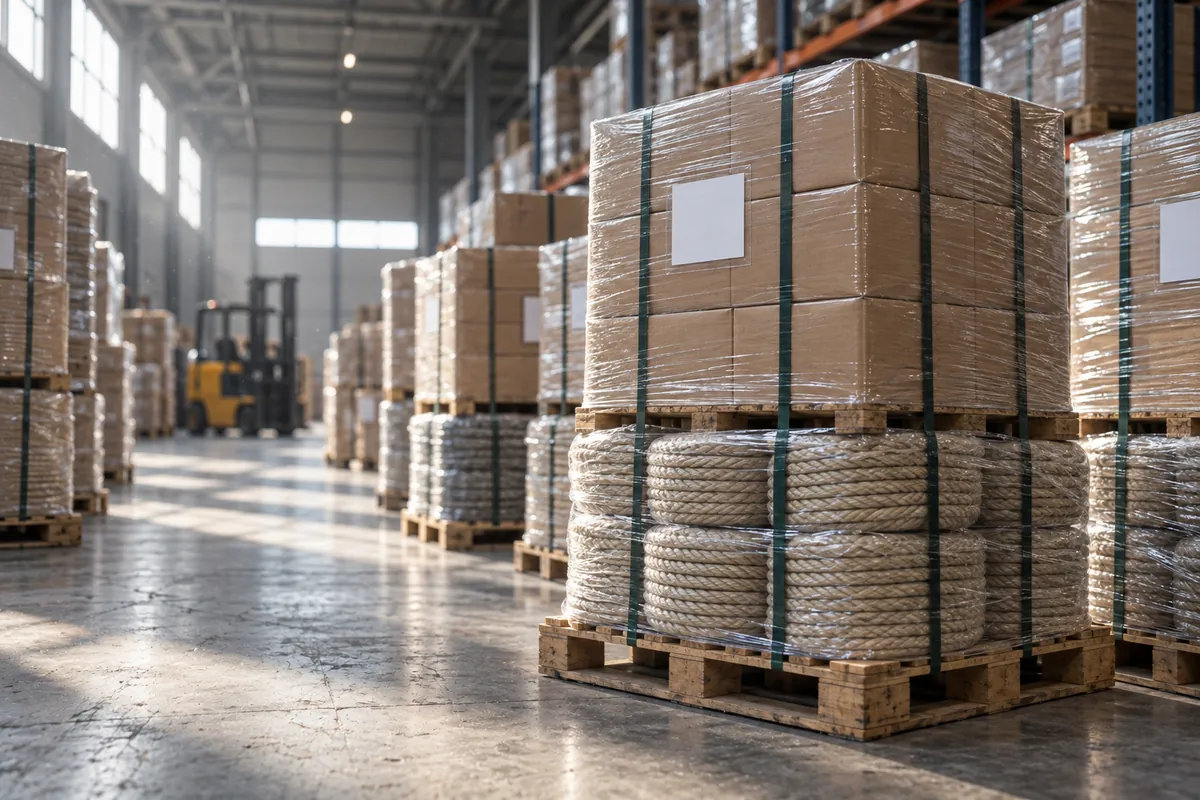
A mixed container is loaded in the order the destination unloads it. Weight decides what goes at the bottom.
Rope drums and chain at the bottom, boxes of shackles and turnbuckles on top, then discs, drill bits and protective equipment in the last third. The heavy families hold the floor and the consumables fill the rest.
Rope coils are bulky and light, so they ride on top of the galvanized rope and the stainless fittings. Plate clamps and snatch blocks are dense and go against the doors, unloaded first.
Hoists and trolleys in their own cartons, tool sets and power tools palletised by line. Elevator parts are boxed and labelled apart: they get re-ordered for years.
Grade 100 carries about 25 % more on the same diameter, so it saves weight on long slings. Grade 80 is what most sites stock and what older lifting plans specify.
On a quay, 316. The added molybdenum is what resists chloride pitting; 304 is for covered or inland work and costs less.
A chain block hangs from a beam and lifts vertically with a hand chain. A lever hoist pulls in any direction with a short handle, which is how a crew aligns a load sideways.
Rail size and car speed for guide shoes and safety gear, motor power and input voltage for drives, rope diameter and construction for traction rope. A photo of the plate on the old part settles most cases.
Rotation-resistant rope is for a single fall on a long drop, where an ordinary rope would spin the load. For multi-part reeving a 6x36 with steel core lasts longer and costs less.
Yes. Road enforcement reads the embossed grade on the link and the tag on the assembly; an unmarked chain is treated as grade 30 whatever it is made of. Grade 70 is the transport grade and is not for lifting.
Reference, size, quantity and destination port. A quotation comes back with the unit price, the minimum per line, the Incoterm and the lead time.